


For horizontal directional drilling (HDD) contractors, choosing the right HDD mud recycling system is essential for maintaining drilling fluid quality, reducing freshwater and bentonite consumption, and managing drilling waste. An appropriately configured system can also help maintain stable drilling conditions and reduce the risk of operational problems associated with poor mud properties or inadequate solids control.
However, selecting equipment based on price or drilling rig size alone can lead to poor results. An undersized system may struggle to process returning drilling fluid, while an oversized unit can increase equipment, transportation, and setup costs unnecessarily.
This guide explains how to evaluate processing capacity, geological conditions, equipment configuration, jobsite constraints, component quality, and operating costs. Whether you are working on fiber-optic installations, gas and water pipelines, or long-distance river crossings, these considerations will help you choose an HDD mud recycling system that matches your project requirements.
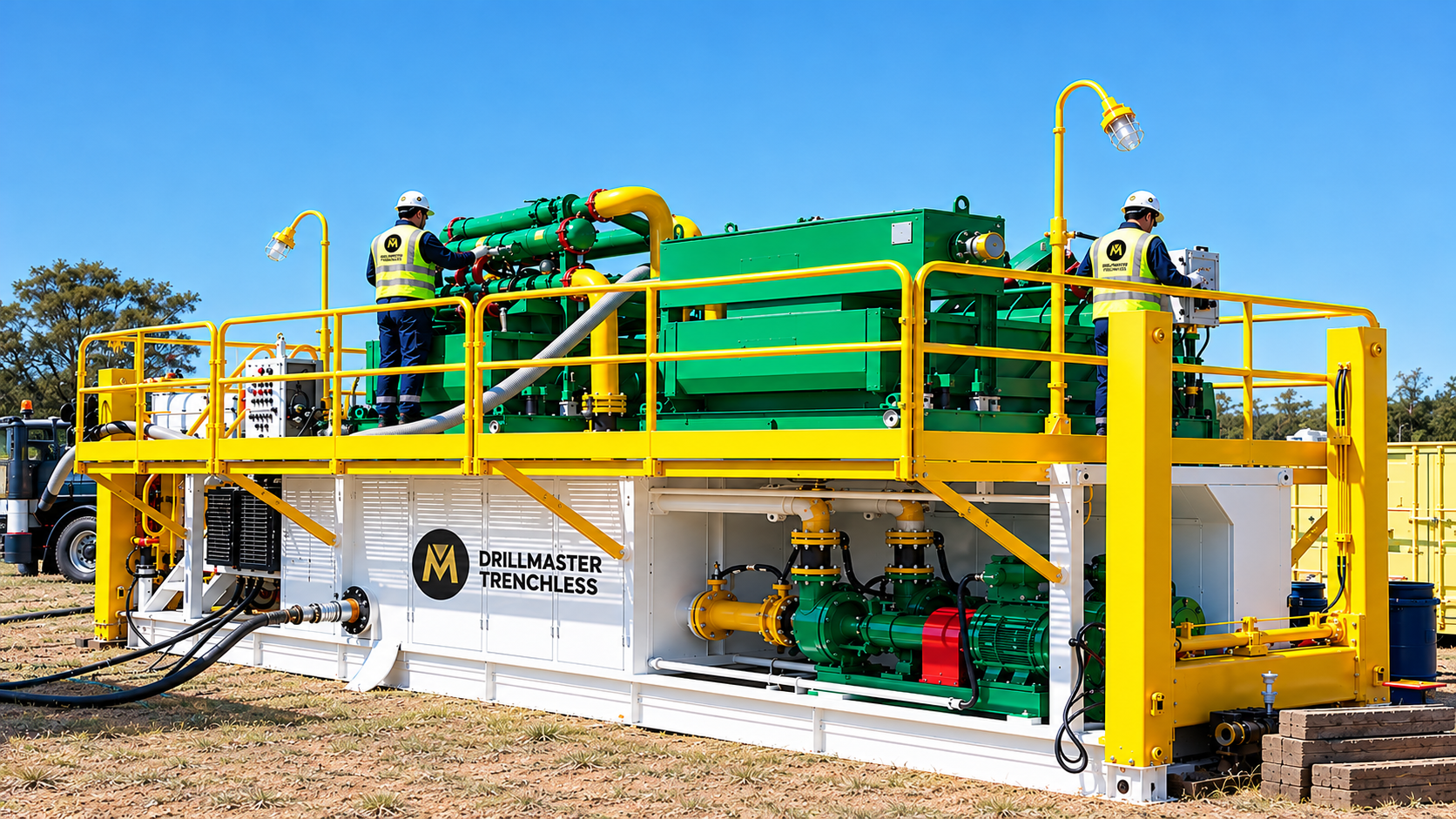
Determine the Required Processing Capacity
Match processing capacity to the drilling operation
The first step in selecting an HDD mud recycling system is to determine how much returning drilling fluid the equipment must process.
Do not select a system based solely on the HDD rig’s pullback force or nominal tonnage. Instead, evaluate the following factors:
· Mud pump flow rate: Check the rated flow and actual operating conditions of the drilling rig’s mud pump.
· Expected return flow: Estimate the volume of drilling fluid returning to the surface, including variations during different drilling stages.
· Solids loading: Consider the amount and type of cuttings entering the system, particularly in sandy, gravelly, or mixed formations.
· Operating conditions: Account for bore length, hole diameter, drilling method, fluid losses, and the possibility of peak return-flow conditions.
The system’s rated processing capacity should be verified against the expected operating flow and solids load. An appropriate operating margin may be necessary, but the required margin depends on the equipment design, formation, and project conditions rather than a universal percentage.
Consider bore length and mud circulation volume
Long-distance crossings, large-diameter installations, and projects with substantial drilling fluid circulation may require greater tank capacity and more effective solids management.
Processing capacity and tank volume serve different purposes. Processing capacity determines how much returning fluid the system can treat over time, while tank volume provides storage, mixing, and circulation capacity.
When evaluating a system, consider:
· The expected volume of drilling fluid in circulation.
· The time required for fluid to pass through the cleaning stages.
· The available space for settling, mixing, and storage.
· The need for additional compartments or tanks during different drilling stages.
A larger tank alone does not compensate for insufficient processing capacity, and a high-flow cleaning unit does not automatically provide enough storage or mixing capacity.
Select the Configuration According to Ground Conditions
Different geological formations generate different types and quantities of drilling cuttings. The right HDD mud recycling system should match the particle characteristics and drilling fluid requirements of the project.
Sand, gravel, and cobble formations
Sandy and gravelly formations can introduce substantial quantities of abrasive solids into the returning drilling fluid. If these solids are not removed effectively, they can accelerate wear in pumps and other circulation equipment.
Depending on the particle-size distribution and solids loading, a suitable configuration may include:
· A shale shaker for removing larger cuttings.
· A desander hydrocyclone for separating suitable coarse sand particles.
· Appropriately sized tanks and transfer pumps to maintain stable circulation.
For abrasive applications, check the wear resistance and replaceability of hydrocyclone liners, shaker screens, and other wear parts.
· Clay, silt, and sticky formations
Clay-rich and silty formations can introduce fine particles that are difficult to remove using shaker screens alone. These fines may accumulate in the drilling fluid and affect viscosity, filtration behavior, and overall fluid performance.
Depending on the particle characteristics and required mud properties, additional equipment may include desilter hydrocyclones or a decanter centrifuge.
However, not all fine clay particles can be removed efficiently by mechanical separation. Some clay particles remain dispersed in the fluid, so drilling fluid management may also require appropriate fluid testing, dilution, and chemical treatment.
For expansive or highly reactive clay formations, consult an HDD drilling-fluid specialist to determine the appropriate combination of mechanical separation and fluid treatment.
Mixed formations and river crossings
Mixed ground conditions can produce varying quantities and sizes of cuttings throughout a bore. Long-distance river crossings may also involve demanding fluid-management requirements, limited access, and stricter environmental controls.
Depending on the project, the system may combine a shale shaker, desander, desilter, and other treatment equipment. A decanter centrifuge can be considered when additional fine-solids separation is justified by the required fluid properties and operating economics.
A multi-stage configuration should be selected based on actual drilling conditions rather than assumed to be necessary for every river-crossing project.
Match the configuration to the application
Typical starting points include:
· Short, small-diameter urban HDD installations: A compact system with effective screening may be sufficient when solids loading is low.
· Municipal gas and water pipeline projects: A shale shaker with a desander may be appropriate where sand removal is a primary requirement.
· Long-distance or complex crossings: A multi-stage solids control system may be necessary, with additional fine-solids treatment where justified.
These are preliminary configuration references, not universal specifications. The final selection should be based on the rig, mud pump, ground conditions, drilling fluid, and project requirements.
Evaluate Jobsite Conditions: Mobility, Space, and Power
Choose a compact system for restricted urban sites
Urban HDD projects often operate along narrow road verges, residential streets, or other locations with limited working space.
A compact, skid-mounted, or integrated portable HDD mud recycling system can help reduce the installation footprint and simplify transportation between sites.
Before purchasing, verify:
· Overall dimensions and operating footprint.
· Tank layout and access for routine maintenance.
· Equipment weight and lifting requirements.
· Space for hoses, pipelines, and fluid transfer.
· Whether modular or split-tank construction is needed.
A portable design can simplify relocation, but lifting equipment may still be required depending on the unit’s weight and site conditions.
Consider transportation frequency and setup time
Contractors moving equipment frequently between projects should compare skid-mounted, trailer-mounted, and modular systems.
A trailer-mounted unit may simplify transportation where road access and local transport regulations permit. Modular systems may be more practical when access is restricted or equipment must be shipped in separate sections.
Also check connection points, lifting arrangements, maintenance access, and the time needed for rig-up and rig-down. These details can have a significant effect on total operating costs.
Verify power and environmental compatibility
Before ordering an HDD mud recycling system, confirm the available power supply, voltage, frequency, motor requirements, and applicable electrical safety standards.
Climate and operating conditions also matter. Hot environments may require appropriate ventilation or cooling, while freezing conditions may require insulation, heating, or other freeze-protection measures.
For hazardous locations, verify whether specific explosion-protection certifications or electrical configurations are required by the project.
Check Core Components and Spare Parts Availability
The reliability of an HDD mud recycling system depends on its component quality, maintenance requirements, and access to replacement parts.
Shale shaker
Check the screening capacity, screen mesh options, vibration adjustment, screen replacement process, and availability of suitable replacement screens.
Hydrocyclones
Evaluate separation performance, wear-resistant materials, replaceable liners, and the availability of replacement components such as apexes and vortex finders.
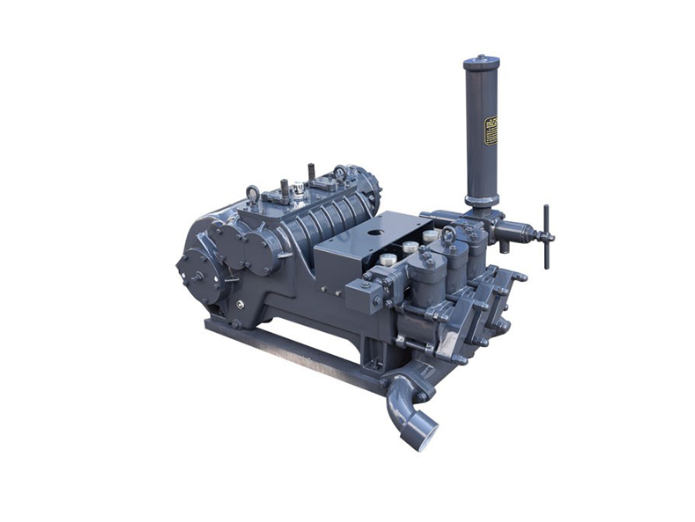
Mud pumps and agitators
Confirm that pumps can support the required circulation flow and that agitators provide sufficient mixing for the tank configuration and drilling fluid.
Proper tank design and circulation management are also important for reducing sediment accumulation and blockages.
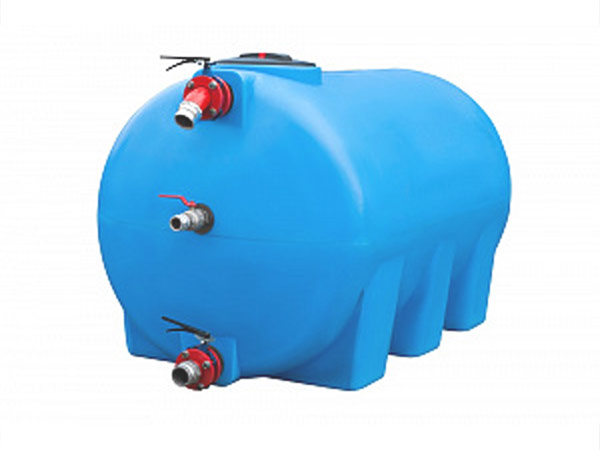
Tanks and protective coatings
Check tank construction, corrosion protection, drainage arrangements, access for cleaning, and compatibility with the drilling fluids and additives used on site.
Before purchasing, ask the supplier about spare-part availability, delivery lead times, maintenance procedures, and technical support. Frequently replaced items may include shaker screens, cyclone components, seals, and gaskets.
Consider Environmental and Waste-Management Requirements
An appropriately configured HDD mud cleaning system can help contractors reuse drilling fluid, reduce freshwater consumption, and manage drilling waste more efficiently.
Potential benefits include:
· Recovering reusable drilling fluid through solids separation.
· Reducing the volume of drilling fluid that must be replaced.
· Lowering the amount of liquid waste requiring transportation and disposal.
· Improving control of drilling fluid around sensitive sites.
Actual savings depend on the ground conditions, drilling fluid, equipment configuration, operating practices, and local disposal costs.
A mud recycling system does not automatically make drilling fluid suitable for discharge or eliminate the need for waste treatment. Contractors should confirm applicable environmental permits, fluid-handling requirements, and waste-disposal regulations before starting work.
For environmentally sensitive projects, discuss the required documentation and operating procedures with the project owner and relevant authorities.
Compare Total Cost of Ownership and After-Sales Support
Evaluate operating costs, not just purchase price
A low-cost small HDD mud reclaimer may be unsuitable if it cannot handle the project’s return flow or solids loading. Conversely, purchasing unnecessary treatment stages can increase capital and maintenance costs.
Compare the total cost of ownership, including:
· Initial equipment purchase.
· Transportation, installation, and commissioning.
· Energy and water consumption.
· Bentonite, polymers, and other consumables.
· Replacement screens and wear parts.
· Maintenance, downtime, and waste disposal.
The most economical system is the one that meets the project’s treatment requirements reliably without unnecessary capacity or complexity.
Confirm technical support and customization options
Choose a supplier that understands HDD drilling conditions and can recommend a configuration based on actual project data.
Before placing an order, confirm the availability of commissioning assistance, operator training, troubleshooting support, spare parts, and equipment documentation.
Depending on project requirements, customization may include additional mixing equipment, a different tank arrangement, a protective canopy, containerized transport, or instrumentation for monitoring operating conditions.
Automatic mud-property control or remote monitoring should be evaluated according to the equipment’s actual capabilities and the project’s operational needs.
Frequently Asked Questions
Q1: How do I size an HDD mud recycling system?
Start with the mud pump’s rated and actual operating flow, then estimate the expected return flow and solids loading. Consider the bore diameter, length, ground conditions, fluid losses, and required mud properties. Confirm the final capacity and tank volume with the equipment supplier.
Q2: What is the difference between a mud cleaner and a complete HDD mud recycling system?
A mud cleaner commonly combines hydrocyclones with a screening unit to remove selected solids from drilling fluid. A complete HDD mud recycling system generally includes additional components such as tanks, transfer pumps, mixing equipment, and circulation connections. The exact configuration varies by manufacturer and model.
Q3: Do I need a centrifuge for HDD mud recycling?
Not necessarily. A centrifuge may be useful when finer-solids separation is required and justified by the drilling fluid specifications, ground conditions, and operating costs. It is not automatically necessary for every HDD project, including every clay-rich formation.
Q4: Can one HDD mud recycling system handle both sand and clay?
Some systems can process a range of formations, but their performance depends on the particle-size distribution, solids loading, equipment configuration, and drilling fluid properties. Projects with substantially different ground conditions may require different screen sizes, separation stages, or operating procedures.
Q5: What information should I provide when requesting a quotation?
Prepare the following information:
· HDD rig model and mud pump specifications.
· Bore diameter, length, and expected drilling duration.
· Geological survey or soil profile, if available.
· Expected return flow and drilling fluid requirements.
· Available site dimensions and power supply.
· Transportation, environmental, and waste-management constraints.
Providing these details helps the supplier recommend a more suitable configuration and avoid unnecessary equipment costs.
Choosing the right HDD mud recycling system for horizontal directional drilling requires more than matching a machine to the nominal size of an HDD rig. The key considerations are processing capacity, geological conditions, drilling fluid requirements, tank volume, site constraints, maintenance needs, and environmental obligations.
A properly selected HDD solids control system can improve drilling fluid reuse, support more consistent drilling operations, and help control overall project costs. However, performance depends on the complete drilling-fluid management process, not the recycling equipment alone.