


In an era driven by high-speed internet, 5G network expansion, nationwide Fiber-to-the-Home (FTTH) rollouts, and smart city infrastructure, underground fiber optic cable installation has become the unshakable backbone of global digital connectivity. Unlike overhead fiber lines that face constant risks from severe weather, traffic collisions, and random urban construction damage, underground fiber networks deliver unmatched durability, signal stability, and long-term operational reliability. However, traditional open-trench excavation for fiber laying is notoriously inefficient, highly disruptive to public roads and communities, overly costly, and damaging to natural landscapes. This is exactly where a dedicated machine for fiber laying underground steps in as a game-changing solution, streamlining end-to-end installation workflows, slashing project timelines, and minimizing both environmental impact and public disruption for telecom and infrastructure projects.
For telecom contractors, municipal engineering teams, infrastructure developers and construction firms, understanding the full scope of underground fiber laying machines is critical to choosing the right equipment for project success. Below, we break down the core types of these machines, their working principles, key advantages and ideal application scenarios, providing a comprehensive guide for anyone involved in underground fiber installation projects.
What Is a Machine for Fiber Laying Underground?
A machine for fiber laying underground is a specialized engineering device built exclusively to install fiber optic cables, protective conduits, and related communication pipelines beneath the ground surface, with a core focus on cutting manual labor, reducing surface excavation, and eliminating unnecessary project downtime. These machines are engineered to adapt to every type of terrain, varying soil conditions, and all project scales – from small-scale urban residential FTTH layouts to large-scale cross-regional telecom backbone fiber projects. The vast majority of modern underground fiber laying machines prioritize trenchless or low-excavation technology, which has quickly become the global industry standard for sustainable, cost-effective, and efficient critical infrastructure construction.
Main Types of Underground Fiber Laying Machines
The category of machine for fiber laying underground includes several specialized models, each tailored to specific project requirements, terrain and installation methods. The most widely used types are as follows:
1. Horizontal Directional Drilling (HDD) Rigs
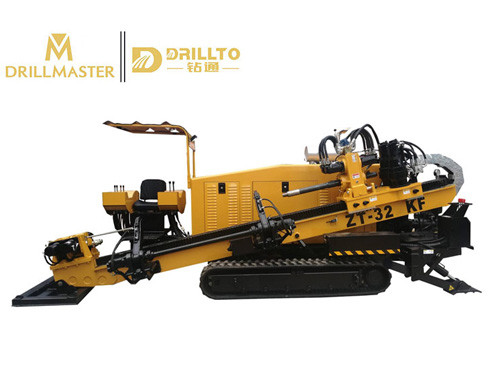
Horizontal Directional Drilling (HDD) rigs stand out as the most versatile, widely adopted, and high-performance option within the machine for fiber laying underground category, especially for complex, obstacle-heavy, and long-distance fiber projects. As a gold-standard trenchless technology solution, HDD rigs fully eliminate the need for destructive large-scale open trenching, letting skilled operators drill precise underground pilot holes, gradually expand the borehole to the perfect diameter, and pull fiber cables or protective conduits into place seamlessly and safely. These rigs excel at installing fiber lines under busy roads, highways, rivers, railways, commercial buildings, and dense residential communities, making them completely irreplaceable for urban and high-congestion area projects. HDD rigs perform reliably in both soft soil and tough hard rock formations, offering industry-leading drilling precision and minimal surface disturbance.
2. Fiber Blowing Machines
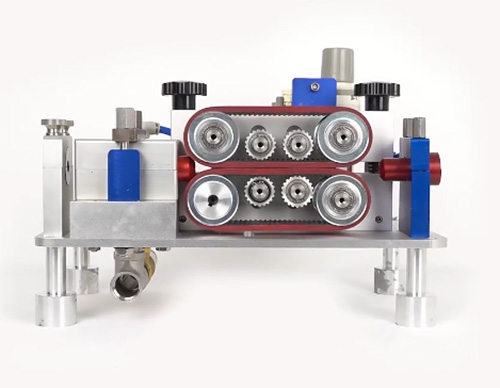
Fiber blowing machines are designed for installing fiber optic cables into pre-existing underground conduits, using high-pressure compressed air to push cables through the pipeline with low friction. This method prevents cable stretching and damage, supports long-distance single-installation runs, and is highly efficient for projects with pre-laid conduit networks, such as urban FTTH retrofits and residential area connectivity projects.
3. Microtrenching Machines
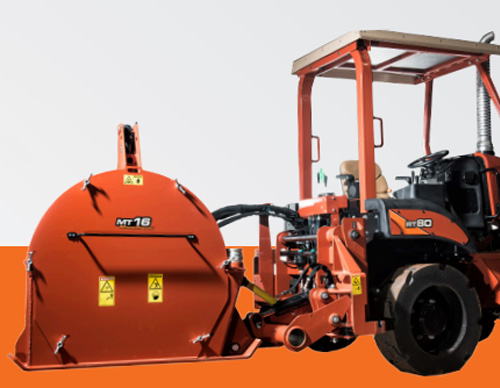
Ideal for dense urban areas and paved surfaces, microtrenching machines create narrow, shallow trenches (typically just a few centimeters wide) along road edges or sidewalks. After placing the fiber cable, the trench is quickly backfilled and restored, leaving almost no visible trace of construction. This machine is perfect for short-distance, small-scale urban fiber laying projects with tight construction windows and strict surface restoration requirements.
4. Cable Pulling & Pushing Equipment
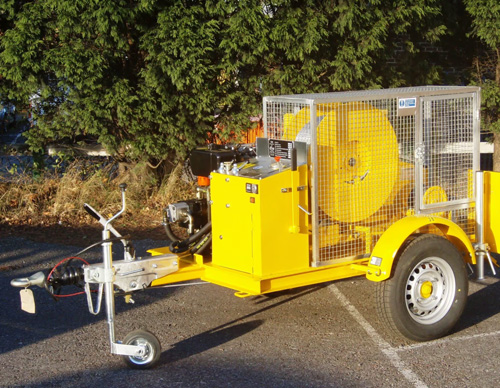
This category includes winches, push rods and cable feeders, which support manual and semi-automatic fiber cable installation in existing conduits or small trenches. These compact machines are ideal for short-distance, small-scale projects, auxiliary construction tasks, and maintenance work on existing underground fiber networks.
5. Plow-Type Fiber Laying Machines
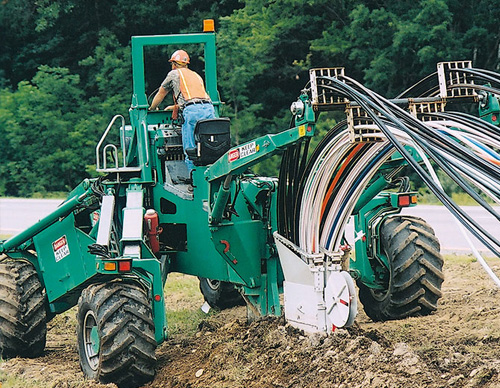
Plow-type machines are designed for open rural areas, farmland and suburban landscapes with soft soil conditions. They integrate trenching and cable laying into one step, plowing a narrow underground channel and laying the fiber cable simultaneously, drastically improving installation efficiency for long-distance rural broadband and backbone fiber projects.
Key Advantages of Using Specialized Machine for Fiber Laying Underground
- Enhanced Efficiency: Specialized underground fiber laying machines can complete hundreds of meters of cable installation per day, far outpacing manual excavation and traditional construction methods, drastically shortening overall project timelines.
- Minimized Disruption: Trenchless and low-excavation models reduce damage to roads, green spaces, buildings and public facilities, avoiding traffic congestion, noise pollution and resident complaints, which is critical for urban construction.
- Improved Cable Protection: These machines ensure controlled cable installation tension, preventing stretching, bending or crushing damage to fragile fiber optic cables, reducing post-construction faults and long-term maintenance costs.
- Cost Savings: While equipment investment is required upfront, specialized machines cut labor costs, material waste, surface restoration fees and project delay penalties, delivering a strong return on investment for long-term and large-scale projects.
- Wide Terrain Adaptability: Modern underground fiber laying machines are engineered to handle diverse soil types, slopes, waterlogged areas and obstacle-rich environments, making them suitable for urban, rural, industrial and cross-water projects alike.
Ideal Application Scenarios for Underground Fiber Laying Machines
A high-quality machine for fiber laying underground is suitable for nearly all fiber infrastructure scenarios, including:
- Urban FTTH and community broadband network construction
- Long-distance telecom backbone fiber pipeline projects
- Rural broadband coverage and digital divide closure initiatives
- Road, railway and highway communication line installation
- Cross-river, cross-road and under-building fiber crossing projects
- Industrial park, data center and commercial complex fiber connectivity
- Maintenance and upgrade of existing underground fiber networks
Factors to Consider When Choosing an Underground Fiber Laying Machine
Selecting the right equipment depends on several core project factors: project scale and installation distance, terrain and soil conditions, urban or rural construction environment, presence of surface obstacles, and budget constraints. For complex, obstacle-heavy and long-distance projects, trenchless equipment is always the optimal choice, offering unmatched flexibility and reliability.
Contact Us for Professional HDD Rig Solutions
We are a professional Horizontal Directional Drilling (HDD) rig service provider, specializing in high-quality HDD machines tailored for efficient, trenchless underground fiber laying projects. If you need reliable HDD rigs for your underground fiber installation work, feel free to contact our team directly for equipment details and customized support.