


In horizontal directional drilling (HDD) projects, collapse-resistant hole openers have always been a key focus for engineering teams. Especially when encountering unstable formations such as gravel and cobble layers, traditional hole openers are highly prone to causing borehole collapse and drill bit jamming, leading to project delays or even failure. So, how exactly should one select a borehole collapse-resistant hole opener? This article takes a barrel-type hole opener—custom-designed for an overseas HDD project—as a case study to thoroughly dissect its core technologies for handling collapsible formations.
Why Are Gravel and Cobble Layers Prone to Borehole Collapse? What Challenges Do hole openers Face?
Gravel and cobble layers are characterized by unconsolidated particles, high porosity, and high mobility. When standard hole openers pass through these formations, the borehole walls lack effective support, and cuttings are difficult to evacuate, which can easily lead to:
· Borehole wall instability and collapse: Gravel and cobbles flake off and accumulate, blocking the borehole.
· Severe tool wear: High-hardness debris accelerates the wear of the roller cones and the body.
· High risk of stuck pipe: Accumulated debris traps the hole opener, leaving it unable to advance or retreat.
Therefore, a hole opener with true anti-collapse capabilities must simultaneously address the two major challenges of borehole wall support and efficient cuttings removal.
Barrel-Type Roller Conical hole opener: A Powerful Tool for Preventing Hole Collapse, Specifically Designed for Gravel Layers
In response to the above challenges, the barrel-type roller conical hole opener was developed. The following analysis of its core design is based on a customized product successfully applied in an overseas HDD project.
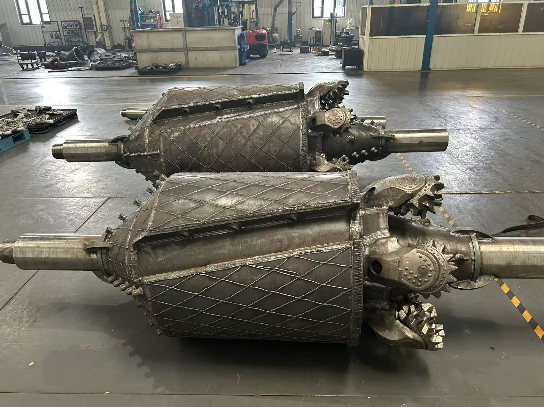
Barrel-shaped Design: Large Contact Area, Active Collapse Prevention
Unlike conventional hole openers, this barrel-shaped roller cone hole opener features a barrel body with a large contact area against the borehole wall. The direct benefits of this design are:
· It creates a“compacting” and squeezing effect on loose gravel and cobble layers, helping to stabilize the borehole wall.
· It disperses radial forces during reaming, reducing the likelihood of localized collapse.
· It acts as a stabilizer, ensuring a smooth reaming trajectory.
It is precisely this large-surface-area barrel structure that makes it a true collapse-preventing hole opener—not merely reacting to collapses, but actively preventing them.
Channel-Type Structure + Multi-Nozzle Spray: Efficient Cuttings Removal, Preventing Secondary Accumulation
Support alone is not enough; promptly removing the broken cuttings is the key to preventing hole collapse. This hole opener features a flow-channel design that facilitates the smooth return of cuttings carried by the drilling fluid. Even more ingeniously, multiple water jet nozzles (14 mm in size) are arranged along the flow channels, with each nozzle capable of independently jetting drilling fluid. The practical benefits of this design include:
· Cuttings are flushed away from the bottom of the hole as soon as they are generated.
· Multi-angle jets prevent debris from accumulating on the inner walls of the barrel.
· Reduces mud circulation resistance and enhances rock-carrying capacity.
Metal Seals + 17-1/2″ MT Roller Bits: High Wear Resistance, Long Service Life
When facing the high abrasiveness of gravel, the materials of the seals and roller bits determine the tool’s service life. This hole opener uses metal seals, which are more resistant to high temperatures and mud/sand intrusion compared to rubber seals. Paired with a 17-1/2″ MT (milling tooth) roller bit, its impact resistance and wear resistance are optimized for hard gravel formations.
The 6-5/8FH connection specification ensures compatibility with large HDD rigs, meeting the demands of high-torque and high-thrust operating conditions.
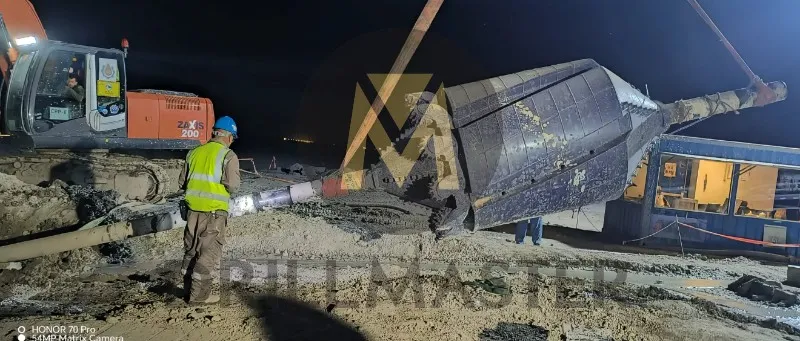
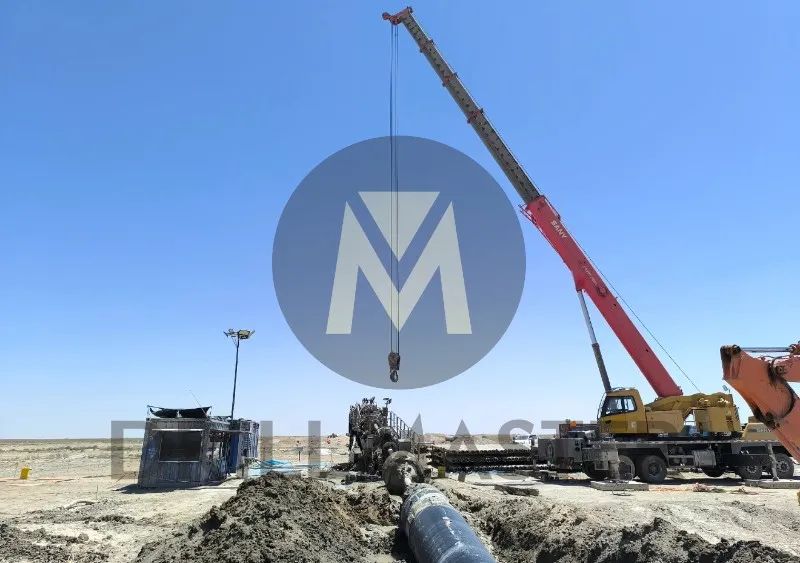
How to Choose the Right Anti-Collapse hole opener for Your Application?
Based on formation conditions and equipment specifications, please refer to the following selection guidelines:
| Stratigraphic Type | Recommended Tools | Key Configuration |
| Gravel layer, crushed stone layer | Barrel-type roller hole opener | Large barrel body contact area + metal-sealed roller bit |
| Complex strata containing boulders | Heavy-duty barrel-type hole opener | Reinforced roller + additional water jets |
| Strata of alternating soft and hard rock | Composite-tooth bucket-type hole opener | Combination of wear-resistant alloy teeth and cutting teeth |
When faced with the risk of hole collapse in gravel layers, standard hole openers often fall short. In contrast, barrel-type roller cone hole openers leverage the combined effects of a large barrel contact area, a flow-channel cuttings removal structure, a multi-jet water injection system, and metal seals to truly deliver the performance expected of a collapse-resistant hole opener—ensuring smoother reaming, more efficient cuttings removal, and safer borehole walls.
Whether for domestic trenchless projects or overseas HDD projects, choosing the right collapse-resistant hole opener means choosing efficiency and safety. If you need a custom barrel-type roller cone hole opener tailored to your specific formation conditions, please feel free to contact us at any time.