


In the high-stakes, high-cost world of horizontal directional drilling, equipment failure isn’t just an inconvenience—it’s a full-blown crisis. A single day of unplanned downtime can wipe out an entire project’s profit margin, strain hard-earned client relationships, and pile pressure on every part of your operation. Let’s cut to the chase: When it comes to your HDD rig, are you running a proactive maintenance system, or just pouring money into a costly reaction plan?
Most drilling crews know the reaction plan all too well. It’s a relentless, stressful cycle: Run the rig flat-out until something breaks → Scramble to figure out what’s wrong (often with no clear history of past issues) → Pay a premium for emergency parts, after-hours service, and rush shipping → Lose critical project time → Then do it all over again. This approach doesn’t just drain your bank account—it turns your most important revenue-generating asset into a constant liability.
A true maintenance system is a whole different beast. It’s a disciplined, scheduled, and documented strategy built to stop failures before they start. Instead of treating maintenance like an unpredictable expense, it’s a deliberate investment in reliability, safety, and long-term profitability. The difference? One keeps you on your heels; the other keeps you in control.
The Three Pillars of a Proactive HDD Rig Maintenance System
An effective system isn’t a one-and-done task—it’s a layered approach that covers your rig from pre-shift startup to long-term storage. Every step ties back to keeping your equipment running when you need it most.
1. Daily/Pre-Shift Discipline (The Foundation)
This is non-negotiable—no exceptions, even when the crew is pressed for time. A 10-15 minute systematic walk-around, guided by a clear checklist, catches small issues (like a loose fitting or low fluid) before they blow up into expensive breakdowns.
Focus points: Fluid levels (fuel, engine oil, hydraulic oil, coolant—don’t just check the dipstick, wipe it clean first for accuracy), visual checks for leaks (pay extra attention to hydraulic hose connections and fittings, which are prime failure points), track/tyre condition (for crawler rigs, check for missing track pins; for wheeled models, verify pressure and tread wear), drill pipe thread inspection (look for burrs or wear, and make sure thread grease is applied evenly—dry threads spell disaster), electrical connections (no loose wires or corroded terminals), and instrument panel warnings (don’t ignore a flickering light “just this once”).
System vs. Reaction: The system makes this routine mandatory, every shift, for every operator. The reaction plan skips it when “we’re in a hurry” or “nothing’s gone wrong before”—right up until something does.
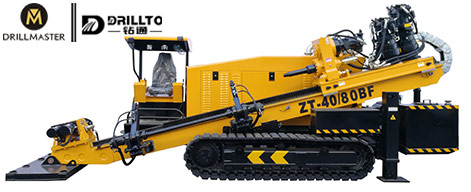
2. Scheduled, Metrics-Driven Service (The Engine)
This goes beyond quick inspections to targeted, timed maintenance based on hard data—like engine hours, calendar time, or even how many linear feet you’ve drilled (a better measure for rigs working in tough soil conditions). It’s about staying ahead of wear, not chasing it.
Focus points: Filter changes (oil, fuel, air, hydraulic—clogged filters force systems to work harder, shortening component life), fluid analysis (sending oil samples to a lab can catch metal particles or contamination early, before it damages pumps or gearboxes), grease intervals (don’t just grease moving parts—use the right grade for the job, and make sure pins, bearings, and track joints are fully lubricated), torque-checking critical bolts (vibration from drilling loosens bolts over time—pay special attention to drill mast and frame fasteners), pressure testing hydraulic systems (fluctuating pressure is a red flag for pump or valve issues), and valve adjustments (off-kilter valves waste fuel and reduce drilling efficiency).
System vs. Reaction: The system follows the OEM manual (but adjusts for job site conditions, like dusty or wet environments) and logs every service detail. The reaction plan changes oil “when it looks dark” or replaces filters only when the alarm goes off—by then, damage is already starting.
3. Preservation & Storage Protocol (The Foresight)
A real maintenance system doesn’t stop when the rig stops working. Between projects, during seasonal lulls, or when a rig is idle for more than a month, proper storage protects your capital investment from rust, corrosion, and degradation.
Focus points: Complete cleaning (power-wash mud and debris from the rig body, drill pipe, and hydraulic components—pay close attention to cooling fins and radiator screens, which clog easily), “pickling” fluid systems (add stabilizers to fuel tanks and hydraulic reservoirs to prevent oxidation), protecting cylinders (extend rods slightly and coat exposed parts with anti-rust oil to avoid pitting), correct battery storage (disconnect terminals, charge fully, and store in a cool, dry place—check charge monthly), and controlled environment lay-up (if possible, store indoors; if not, use a heavy-duty cover that keeps out moisture and dust—avoid tarping tightly, which traps humidity).
System vs. Reaction: The system has a step-by-step storage checklist that’s followed every time. The reaction plan parks the rig in the back lot, throws a tarp over it (if you’re lucky), and crosses fingers that it starts when you need it next.
Building Your System: Practical First Steps (No Overwhelm Required)
You don’t need a fancy software suite or a full-time maintenance manager to switch from reactive to proactive. Start with these simple, actionable steps:
- 1.Document Your Baseline: Create a tailored Daily Inspection Checklist for each rig model in your fleet. Include job-specific notes (e.g., “Check mud pump seals extra carefully in clay soil”). Laminate it, keep it in the cab, and make it mandatory—no checklist signed, no rig started.
- 2.Centralize Your Logs: Ditch the crumpled paper notebooks in the cab. Move to a digital log—even a shared Google Sheet works. Record every service, every issue (no matter how small), every fluid top-up, and every hour of operation. This historical data becomes gold when troubleshooting or planning future maintenance.
- 3.Schedule the Next Service Before You Finish the Current One: When you wrap up a 250-hour service, immediately schedule the 500-hour service in your team’s calendar. Order the necessary filters, fluids, and parts right then—don’t wait until the last minute (and risk delays when parts are backordered).
- 4.Train Your Crew on the “Why,” Not Just the “What”: An operator who understands that a loose hydraulic fitting can lead to a $20,000 pump failure will check those fittings carefully. Hold a quick 15-minute training session to walk through the checklist and explain how each step protects the rig (and their ability to get the job done).
- 5.Add a “Post-Job Quick Check”: One often-overlooked step: After wrapping up a day’s drilling, have the operator do a 5-minute check for obvious issues—like a bent drill pipe section, a leaking hose, or a damaged track pad. Catching these at the end of the shift means you can fix them overnight, instead of starting the next day with a breakdown.
The Bottom Line: It’s an Investment, Not an Expense
Let’s be honest: A reactive plan feels cheaper in the moment—until you’re paying for emergency freight, overtime labor, missed deadlines, and premature rig replacements. A systematic maintenance program has upfront costs: planned parts, scheduled downtime, and disciplined time. But the return is tangible:
- Higher asset availability (your rigs are ready when you need them)
- Longer component life (no more replacing pumps or gearboxes years early)
- Better residual value (a well-maintained rig sells for more when it’s time to upgrade)
- Lower total cost of ownership (planned maintenance costs far less than emergency repairs)
- A reputation as a reliable contractor—clientele that know you’ll hit deadlines keep coming back.
So ask yourself again: Are you managing a system, or just waiting for the next breakdown to react to? The answer doesn’t just determine the health of your equipment—it determines the health of your business.
We provide sales of HDD drilling rigs and related accessories, and offer corresponding maintenance checklists tailored to your needs. If you have any requirements in this regard, please feel free to consult us at any time.