


In the Strait of Hormuz in southern Iran, a tough battle has just concluded. It wasn’t a military conflict filled with smoke and gunfire, but rather a highly challenging “threading the needle” operation beneath the sea—a natural gas pipeline had to run from the Port of Abadan, cross the strait, and reach Qeshm Island on the opposite shore. The pipeline is 3,000 meters long with a diameter of 762 millimeters, and it must be accompanied by a 6-inch fiber-optic cable conduit. To make matters worse, the seabed consists entirely of clay and silt—as soft as quicksand. The slightest misstep could cause the borehole walls to collapse or the drill bit to veer off course.
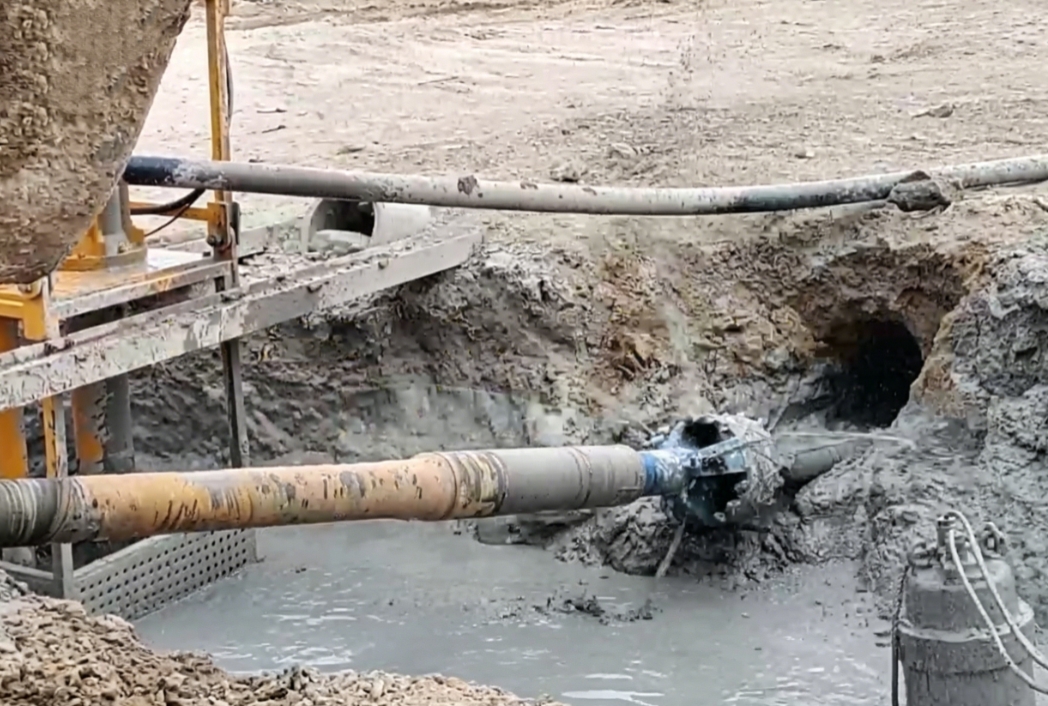
If they had relied on the old method—using a single drill rig to plow ahead—it wouldn’t have been surprising for the exit point to be off by several meters after drilling 3,000 meters, but the project simply wouldn’t allow for that. What to do? The project team devised a “two-pronged attack” strategy: set up a 500-ton drill rig on Qeshm Island and a 280-ton one at the Port of Abbas, with both drilling toward the seabed simultaneously, planning to “join hands” at the designated location.
But it was easier said than done. Working in the darkness of the seabed, with nothing to see or touch and surrounded by soft soil layers, getting the two drill bits to meet precisely was like searching for a person in a tunnel while blindfolded. Everyone was on edge.
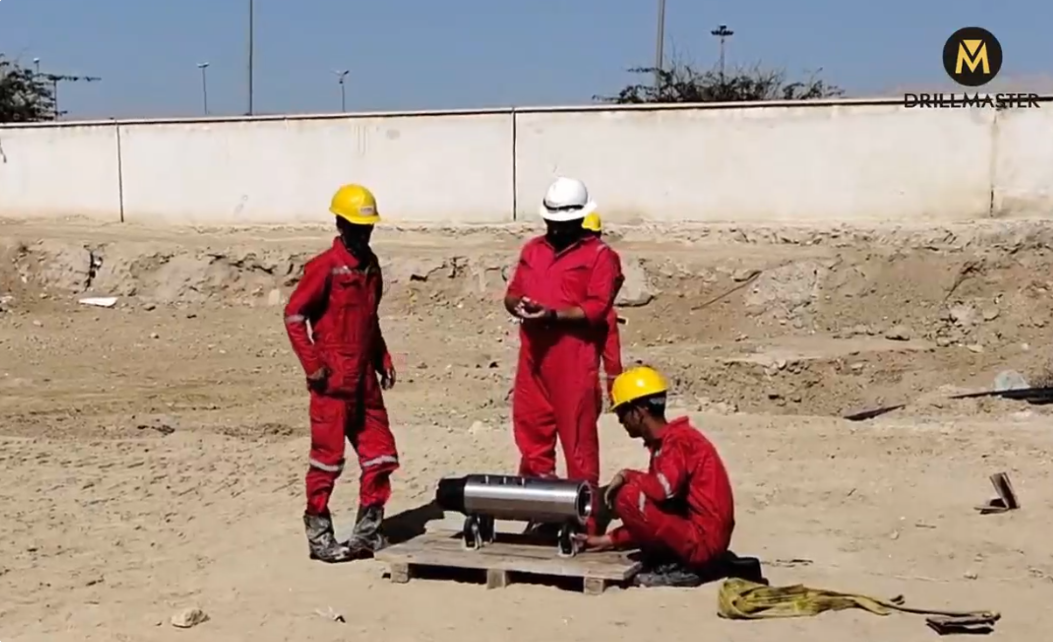
At the critical moment, a cutting-edge technology came to the rescue: Magnetic Short-Section Guide. Simply put, a specially designed magnetic short section was attached to the rear of each drill bit, working in conjunction with a magnetic detection system on the surface to track the drill bits’ position and direction in real time. It was as if both rigs were equipped with navigation systems; even through more than a kilometer of soft mud, they could pinpoint each other’s location and the remaining distance. Thanks to this technology, the drill bits on both sides connected smoothly on the seabed, with the error margin controlled to within a few millimeters.
The moment the connection was successful, many on-site workers quietly breathed a sigh of relief. Next came the Grade 5 reaming process, gradually widening the borehole to 1 meter in diameter to allow the finished pipeline to pass through smoothly. By June 2025, the pipeline was finally pulled back successfully in a single attempt, marking the successful completion of the entire project.
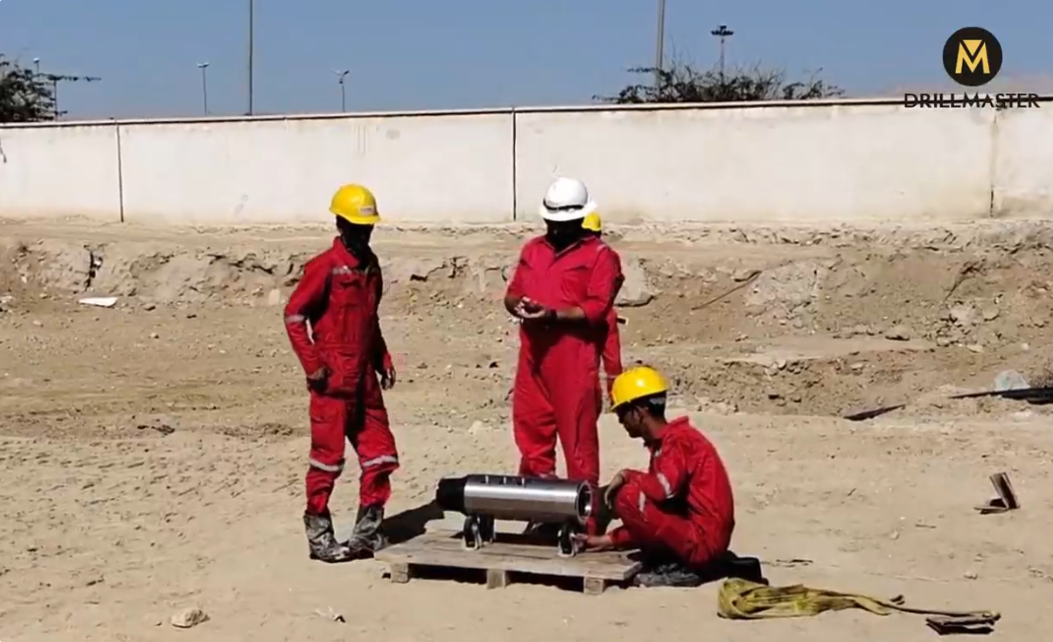
Looking back, the battle was far from easy, but the magnetic short-section—this “underwater guide”—truly played a pivotal role: it withstood rapid signal attenuation and difficult navigation in soft strata; it handled the invisible, intangible underground blind connection; and it finally brought the two drilling rigs, facing each other across the sea, together.
This project fully demonstrated the core advantages of magnetic short-section guidance technology in long-distance directional drilling crossings: First, it effectively overcame adverse factors such as soft geology and rapid signal attenuation, ensuring long-distance guidance accuracy; second, by not relying on visual or traditional wired guidance, it significantly reduced construction risks; third, it markedly improved the success rate and efficiency of bidirectional alignment, providing a reusable technical solution for similar long-distance pipeline crossings, such as those spanning seas or rivers.
After so many years in the engineering field, our deepest realization is this: when clients entrust a project to us, they are handing over not just blueprints and data, but a profound sense of trust. That 3,000-meter “handshake” beneath the Clarence Strait is our response to that trust—delivered through our technical expertise, patience, and sense of responsibility.